

If you are a UK business or individual facing a legal dispute in Germany, your first instinct might be to brace yourself for mountains of paperwork, extensive “know your client” (KYC) checks, and lengthy engagement letters.
Fortunately, the German legal system works quite differently. In Germany, civil law is a highly codified system, meaning that almost every aspect of the client-lawyer relationship is already regulated by federal black-letter law. Because these statutory protections are already in place, you can safely instruct a German lawyer (Rechtsanwalt) quickly and informally—even via email, fax, or a simple phone call. By the way: There is only one kind of lawyer in Germany, called Rechtsanwalt. No split profession (Solicitors and Barristers) as in the UK. So your German advocate will advise you out of court and will also fully represent you in court (if necessary).
Here is a breakdown of what you need to know before hiring legal counsel in Germany.
The Power of Codification: Built-In Client Protection
In the UK, extensive retainer agreements are necessary to define the scope, duties, and liabilities of your solicitor or barrister. In Germany, these protections are automatically active from the moment you speak to a lawyer, thanks to several key federal statutes:
- German Civil Code (Bürgerliches Gesetzbuch – BGB): This central code governs how contracts are formed, defines your rights as a client, and outlines your remedies if a lawyer underperforms or commits malpractice.
- Federal Regulation on Lawyers (Bundesrechtsanwaltsordnung – BRAO): This act enforces strict core obligations on every licensed German lawyer. It covers strict confidentiality, conflict of interest rules, the secure handling of client funds, and mandatory professional indemnity insurance. Violations result in severe reprimands or the revocation of their license by the German Bar Association.
- Rules of Professional Conduct (Berufsordnung für deutsche Rechtsanwälte – BORA): Supervised by the Federal German Bar Association (BRAK), these rules provide granular, constantly updated professional standards for all legal practices.
- Court Procedure Codes: In litigation, the rights and duties of your trial lawyer are strictly dictated by specific procedural codes, such as the German Code of Civil Procedure (ZPO).
Because these laws completely safeguard the client, detailed letters of engagement are redundant and highly uncommon in Germany.
Understanding German Legal Fees
The way German lawyers charge is also heavily regulated by the Federal Act on Lawyer Fees (Rechtsanwaltsvergütungsgesetz – RVG).
1. Statutory Fees (The RVG System)
The baseline statutory fees for both lawyers and courts are linked directly to the amount in dispute (the monetary value of the case), rather than the time spent on it. To estimate the baseline costs of a German lawsuit, you can utilize online tools like the FORIS Litigation Costs Calculator.
2. Hourly Rates and Fee Agreements
While the RVG sets the legal baseline, well-established law firms and experienced specialists usually charge higher fees based on hourly rates. This is especially true in international cases.
Average Hourly Rates: Expect anywhere from EUR 200 net per hour for young associates to around EUR 800 net per hour for senior partners or renowned specialists in a certain legal field.
Paperwork You Will Need to Sign
Even though detailed engagement letters are rare, German law firms will usually ask you to sign two short documents before they can actively represent you:
- Fee Agreement (Honorarvereinbarung): If the firm charges hourly rates instead of the statutory RVG baseline, they will ask you to sign a fee agreement. Unlike lengthy UK or US retainers, German fee agreements are straightforward and typically fit on a single page.
- Power of Attorney (Vollmacht): Under Section 174 of the German Civil Code, a lawyer must often provide written proof that they are authorized to act on your behalf. Opposing lawyers or the court can refuse to discuss the case or share confidential information until this form is submitted.
More in these articles:
- https://www.germancivilprocedure.com/how-to-retain-a-german-lawyer-rechtsanwalt/
- https://www.crosschannellawyers.co.uk/how-to-engage-the-legal-services-of-graf-partners/
Contact us
German advocate Bernhard Schmeilzl, Master of Laws (Leicester), fully qualified German lawyer and admitted to the German bar in 2001, has specialised in advising commercial and high-net worth private clients on German-British legal matters and representing those clients in cross-border proceedings for 25+ years.
In his role “Of Counsel International Relations” for the German law firm Schlun & Elseven, he works with a dedicated team of 40+ German lawyers and tax experts who all have extensive experience in international cases.
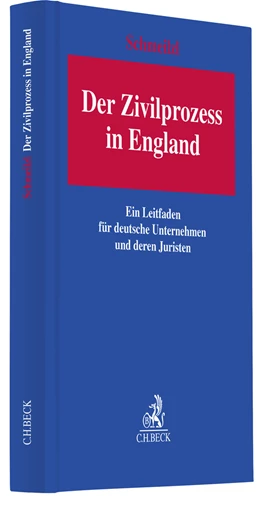
Bernhard has published the only German language textbook on Civil Procedure Rules (“Der Zivilprozess in England”) in the renowned Beck Verlag and is thus the German go-to expert regarding all matters concerning civil litigation in England and Wales.
Feature image licensed via Dreamstime.com