
Workforce, German Visa and AÜG Compliance | Checklist for UK Businesses
Guest Article by Martin Halfmann, LL.M. | Employment Lawyer at Schlun & Elseven
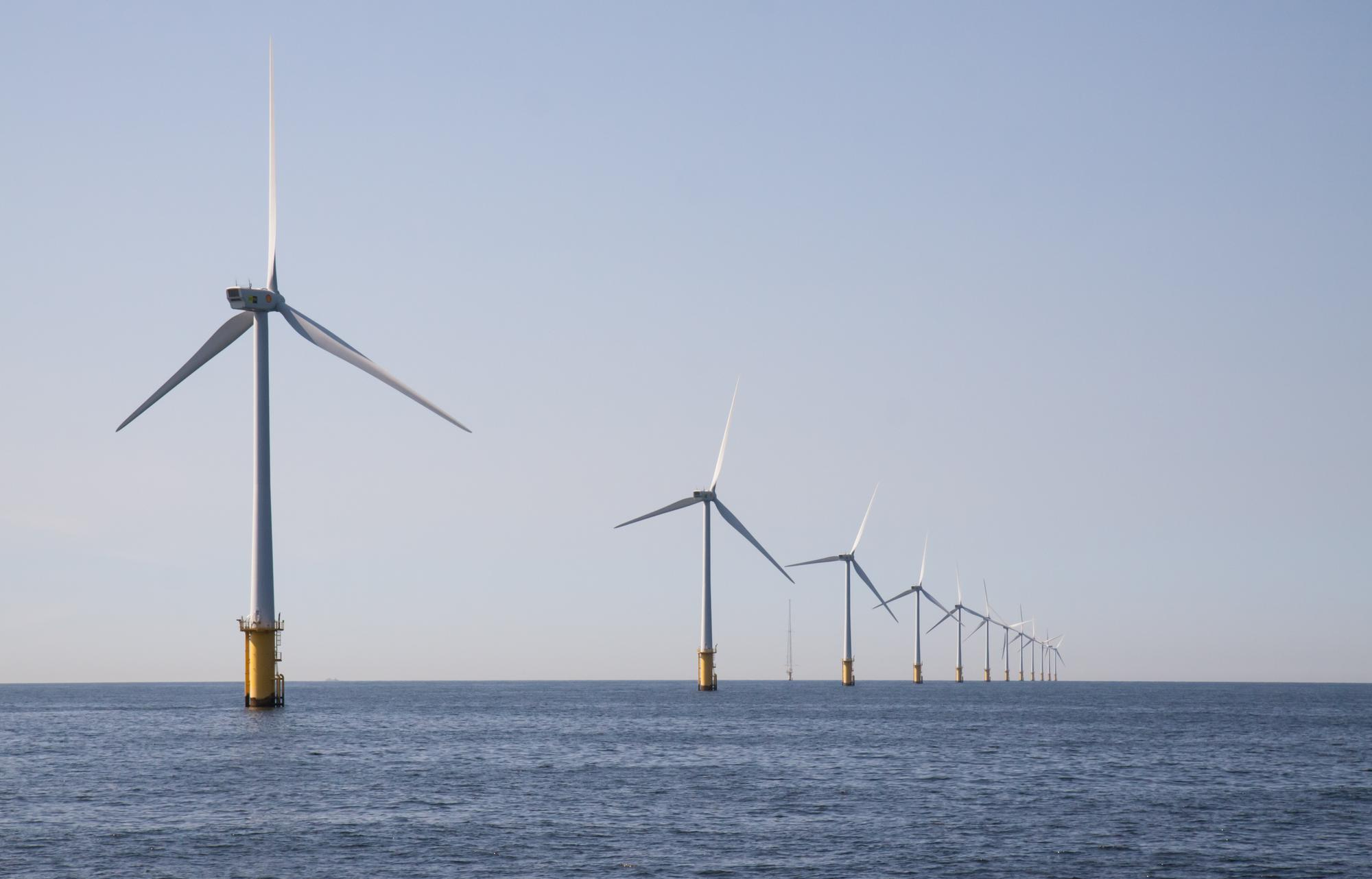
Germany’s offshore wind buildout in the North Sea and Baltic Sea depends heavily on specialist contractors, and UK companies – turbine installers, cable-laying specialists, and marine crewing agencies among them – are regularly engaged on German projects. Offshore work brings an additional layer of complexity on top of the immigration and staffing questions that already apply onshore: the applicable rules depend on precisely where, in maritime terms, the work is being carried out.
The Legal Backdrop: From Court Ruling to Section 24b BeschV
The current framework traces back to a 2021 ruling of the Federal Administrative Court (Bundesverwaltungsgericht), which held that offshore work in the German territorial sea does not qualify for the immigration exemptions available to seafarers in transit, and that a German Category C Schengen visa was required even for workers who already held a Schengen visa issued by another EU member state. The legislature responded with Section 24b of the Employment Ordinance (Beschäftigungsverordnung, BeschV), which waives the usual requirement for Federal Employment Agency approval for the construction and repair of offshore wind turbines and their offshore connection lines – including associated port loading and unloading work and other crew activity – within the German territorial sea, for up to 24 months. Routine maintenance work is generally understood to sit outside this exemption even though repair is covered, and self-employed offshore workers are excluded from it entirely, requiring a residence permit under Section 21 AufenthG in their own right.
Two different legal bases apply depending on how long the deployment runs. Short-term assignments of up to 90 days within a 12-month period can fall under the non-employment fiction in Section 30 No. 2 BeschV, read together with Section 24b – meaning the work is not legally classed as employment at all for permit purposes, and no work permit route is needed, though valid entry documentation still is. Deployments exceeding 90 days require an actual residence permit under Section 19c AufenthG, with Section 24b BeschV waiving the Federal Employment Agency approval step that would otherwise apply to that permit.
Mapping the Maritime Zones: Where the Rules Actually Apply
The Section 24b exemptions apply only within the German territorial sea (Küstenmeer), which runs from the baseline out to the 12-nautical-mile limit. The baseline is not the visible shoreline – it runs seaward of the coastline, generally following the low-water line – which means there is a strip of German sovereign territory between the actual coastline and the baseline that falls outside the territorial sea for these purposes. Cable-laying projects, where connection lines run from open water across this strip to the mainland, are particularly exposed to this gap. Beyond the 12-mile limit lies the Exclusive Economic Zone (EEZ), where German residence law does not apply in the same way at all – but this does not remove every immigration consideration. Workers who enter the Schengen Area before proceeding to work in the EEZ remain subject to Schengen day counting throughout, and because vessel departures are not stamped, a worker who has spent weeks beyond the 12-mile limit can appear – on paper – to have remained continuously in the Schengen Area the whole time. Maintaining vessel logbooks or equivalent records of when each crew member was actually outside the Schengen Area is the practical fix, and matters for avoiding incorrect overstay findings.
Staff Leasing Risk for Offshore Crews
The same distinction between a works contract and staff leasing that applies onshore applies at sea. Where a UK contractor supplies crew for a German operator or turbine manufacturer to direct on site, rather than delivering a defined scope of work under its own supervision, the arrangement can amount to staff leasing under the AÜG, triggering the licensing requirement discussed above and, in its absence, the same fines and deemed-employment consequences. Offshore projects, with their multiple layers of subcontracting between operators, installation contractors, and crewing agencies, are a common setting for this classification question to be overlooked.
Visa and Schengen Practicalities for UK Crew
UK nationals, as third-country nationals since Brexit, need a German work permit for offshore deployments that fall outside the short-stay non-employment fiction. For deployments that do fall within that short-stay fiction, the 2021 ruling described above still requires a German-issued Category C Schengen visa specifically – a Schengen visa issued by another EU member state is not sufficient. For rotational crew working multiple short deployments across the year, tracking cumulative days against both the Schengen 90-day allowance and the separate 24-month exemption period requires careful record-keeping, particularly where crew members are deployed on more than one project.
Practical Compliance Steps for UK Offshore Contractors
Checklist for UK Offshore Wind Contractors Working in Germany
- Identify which maritime zone the work will actually take place in, including the coastline-to-baseline strip that sits outside the offshore exemptions.
- Distinguish repair from routine maintenance – only the former is covered by Section 24b BeschV.
- Confirm whether the deployment falls under the 90-day non-employment fiction (Section 30 No. 2 BeschV) or requires a Section 19c AufenthG permit, and for how long.
- Check whether any crew are self-employed – they might need a Section 21 AufenthG permit in their own right, independent of the offshore exemption.
- Classify the contractual arrangement with the German operator as a works contract or staff leasing, and confirm licensing status accordingly.
- Arrange German Category C Schengen visas for UK crew where required, rather than relying on visas issued by other EU states.
- Track cumulative deployment days per worker across both the Schengen and BeschV thresholds, and keep vessel logbooks for time spent in the EEZ.
The German law firm Schlun & Elseven advises offshore wind operators, contractors, and crewing agencies on the residence permit, staff leasing, and maritime zone questions that arise from deploying international crews on German projects.
[…] Guide for UK Offshore Wind Contractors in Germany […]